
- Commercial Garage Door
- Garage Door Opener Installation
- Garage Door Spring Repair
- Same Day Garage Door Repair
- Custom Garage Doors
- Garage Door Opener Repair
- Garage Door Track Repair
- Garage Door Cable Repair
- Garage Door Panel Repair
- Local Garage Door Repair
- Garage Door Dents Repair
- Garage Door Replacement
- Noisy Garage Door Fix
- Garage Door Installation
- Garage Door Section Replacement
- Overhead Garage Door Repair
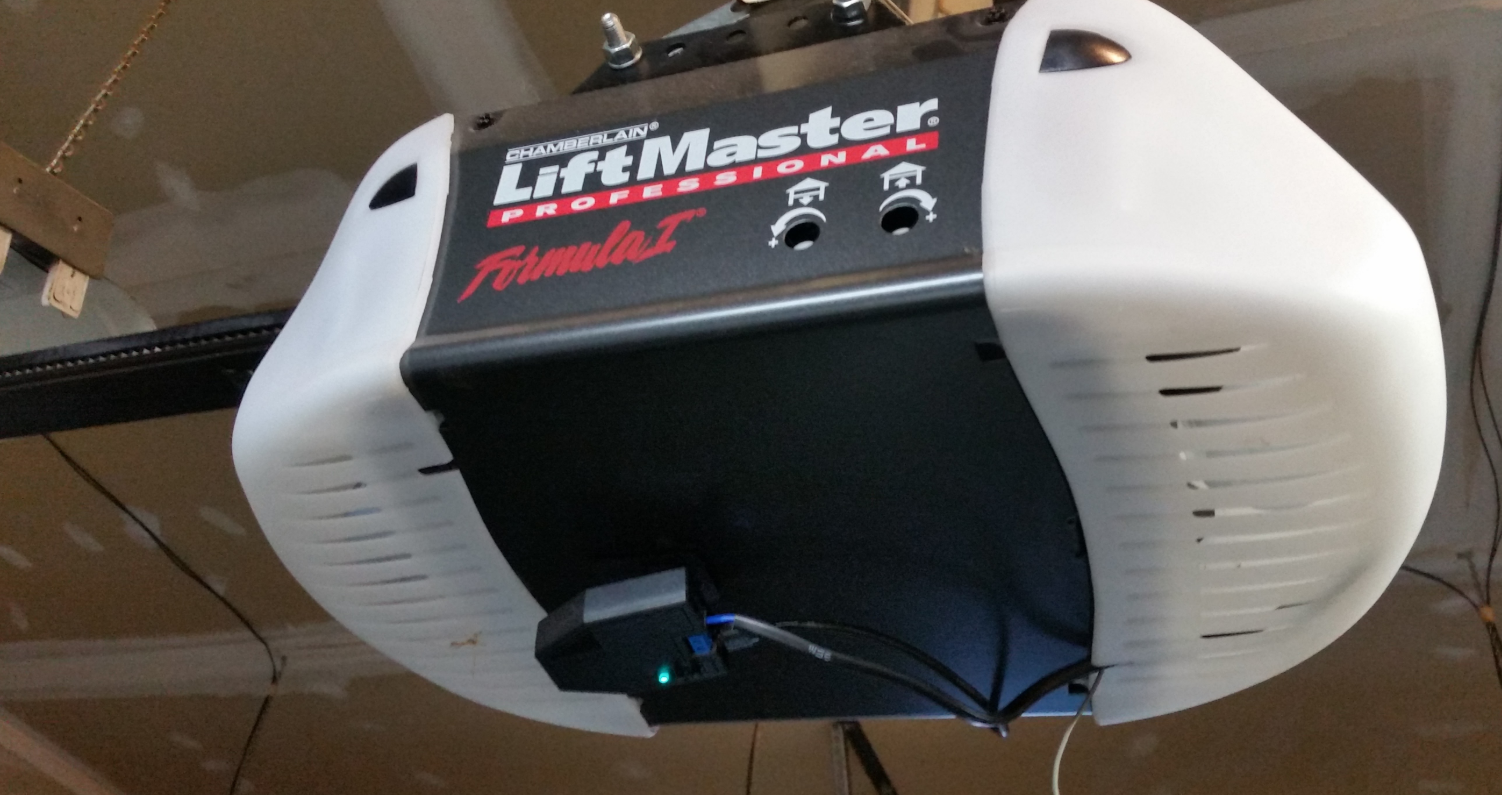
How to Repair a Garage Door Opener Chain or Belt
A snapping sound or a sudden stop often signals a broken drive system. You press your remote, but nothing happens. When you face this frustrating problem, you might assume you need an immediate unit replacement. However, you can often handle a simple garage door opener repair yourself. The experts at Overhead Garage Door Repair Dublin Ohio know that chains and belts undergo immense tension every single day. Over time, these critical components stretch, slip, or snap entirely. We want to show you exactly how to tackle this fix safely and effectively. You will learn the specific steps to get your system running smoothly again, saving you time and avoiding unnecessary service fees. Understanding your system empowers you as a homeowner.
Steps for a Successful Drive System Fix
Before you grab your wrenches and screwdrivers, you must prioritize safety above all else. Disconnect the power completely and immediately. You must unplug the unit from the ceiling outlet to prevent accidental activation while your hands rest near moving parts. Next, pull the emergency release rope. This vital action disconnects the trolley from the opener carriage, allowing you to move the door manually. You should lower the door completely until it touches the concrete floor. A closed door removes the dangerous tension from the overhead springs and keeps the heavy panels from crashing down while you work.
Now, gather your essential tools. You need a sturdy step ladder, an adjustable wrench, a pair of pliers, and your specific replacement parts. If you plan to work on a metal chain, grab some high-quality garage door lubricant. If you have a rubber belt system, leave the grease in your toolbox, as oil degrades synthetic rubber components quickly. Inspect the entire rail assembly from end to end. Check the sprockets and pulleys for severe wear and tear. If the plastic gears inside the motor housing show broken teeth, you might need to replace the entire gear assembly rather than just swapping the drive mechanism.
Fixing a Sagging Chain
Chain drive systems frequently develop annoying slack after years of heavy lifting. You will hear a loud, rhythmic slapping noise against the metal rail when the chain becomes too loose. To fix this specific issue, locate the tension adjustment bolt on the trolley. You will find two distinct nuts on this threaded shaft. Use your adjustable wrench to loosen the inner nut first. Then, turn the outer nut clockwise to tighten the chain effectively. You want the chain to sit about a half-inch above the base of the rail at its lowest point.
Never over-tighten the chain. Excessive tension places dangerous strain on the motor and destroys the internal gear and sprocket assembly prematurely. Once you achieve the correct tension level, tighten the inner nut securely against the trolley to lock your adjustment in place. Finally, apply a light, even coat of lithium-based grease along the entire length of the metal chain. This crucial lubrication reduces friction significantly, silences terrible metal-on-metal grinding, and extends the lifespan of your newly adjusted drive system.
Replacing a Broken Belt
Belt drives offer whisper-quiet operation, but their rubber materials eventually dry out, crack, and break under constant stress. To replace a snapped belt, you must first remove the damaged old pieces. Unbolt the master link connecting the broken belt to the trolley mechanism. Carefully pull the old belt out of the rail track and slip it off the motor sprocket. Route your brand new belt exactly where the old one sat. Wrap it snugly around the top motor sprocket and thread it carefully through the pulley at the far end of the rail.
Attach the new belt securely to the trolley using the fresh master link. Most replacement kits include a brand new threaded shaft and tensioner for optimal performance. Connect these hardware pieces and tighten the tension nut systematically. The belt should feel tight, similar to a bass guitar string, but you should still have the ability to depress it slightly with your index finger. If you’re having trouble, the team at Overhead Garage Door Repair Dublin Ohio can help. Plug the opener back into the ceiling outlet. Re-engage the emergency release mechanism and press your wall remote button. Watch the door travel up and down fully to confirm smooth, quiet operation.